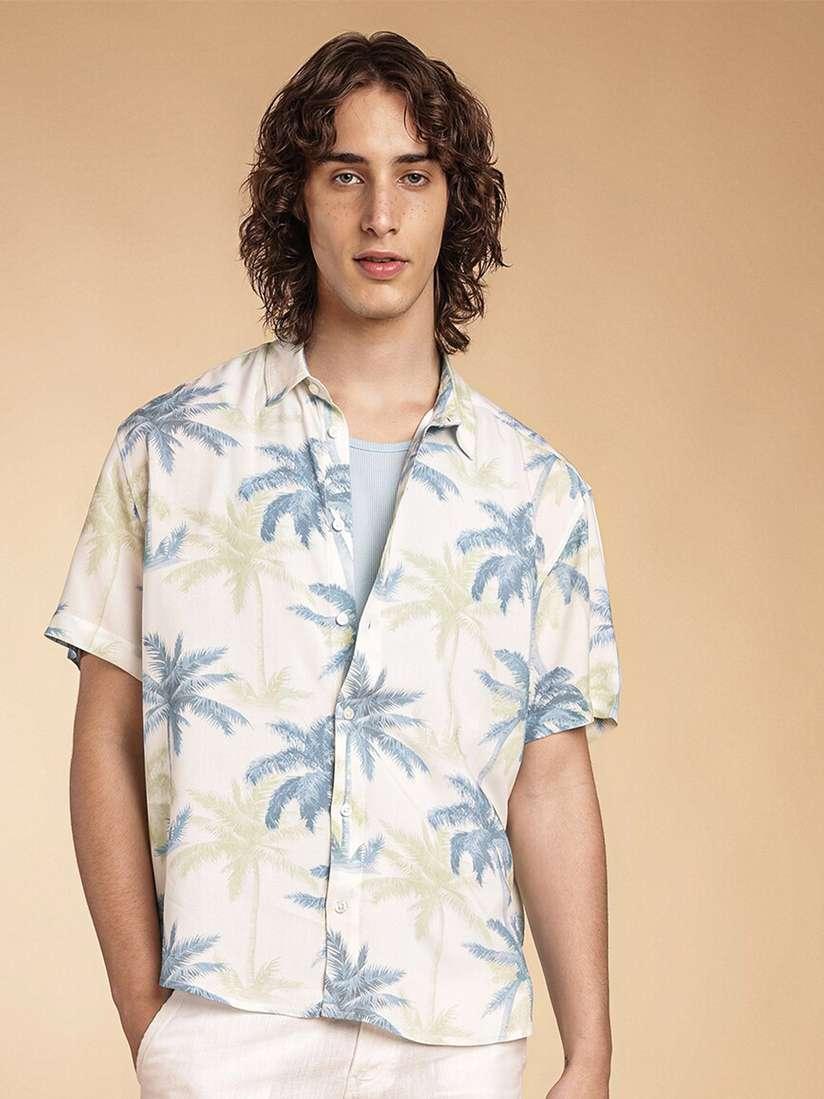
Hawaiian (Aloha) Shirt
Origins (1920s–1930s)
The shirt is largely thought to date back to the 1930s and the rise of American tourism in Hawaii, which only became a US state in 1959. Small tailor shops began to produce prints on their local shirts, generally known as the palaka, often made from native tapa or bark cloth, for this new wave of clientele. The shirts were also worn by Hawaiians for special occasions.
The Hawaiian shirt, or aloha shirt, developed in Hawaiʻi as local tailors used leftover kimono fabric and other imported Asian textiles to make casual shirts. In the 1930s, retailers such as Ellery Chun helped popularize and name the style, marking its emergence as a distinct garment tied to island life.
Early Growth and Identity (1940s)
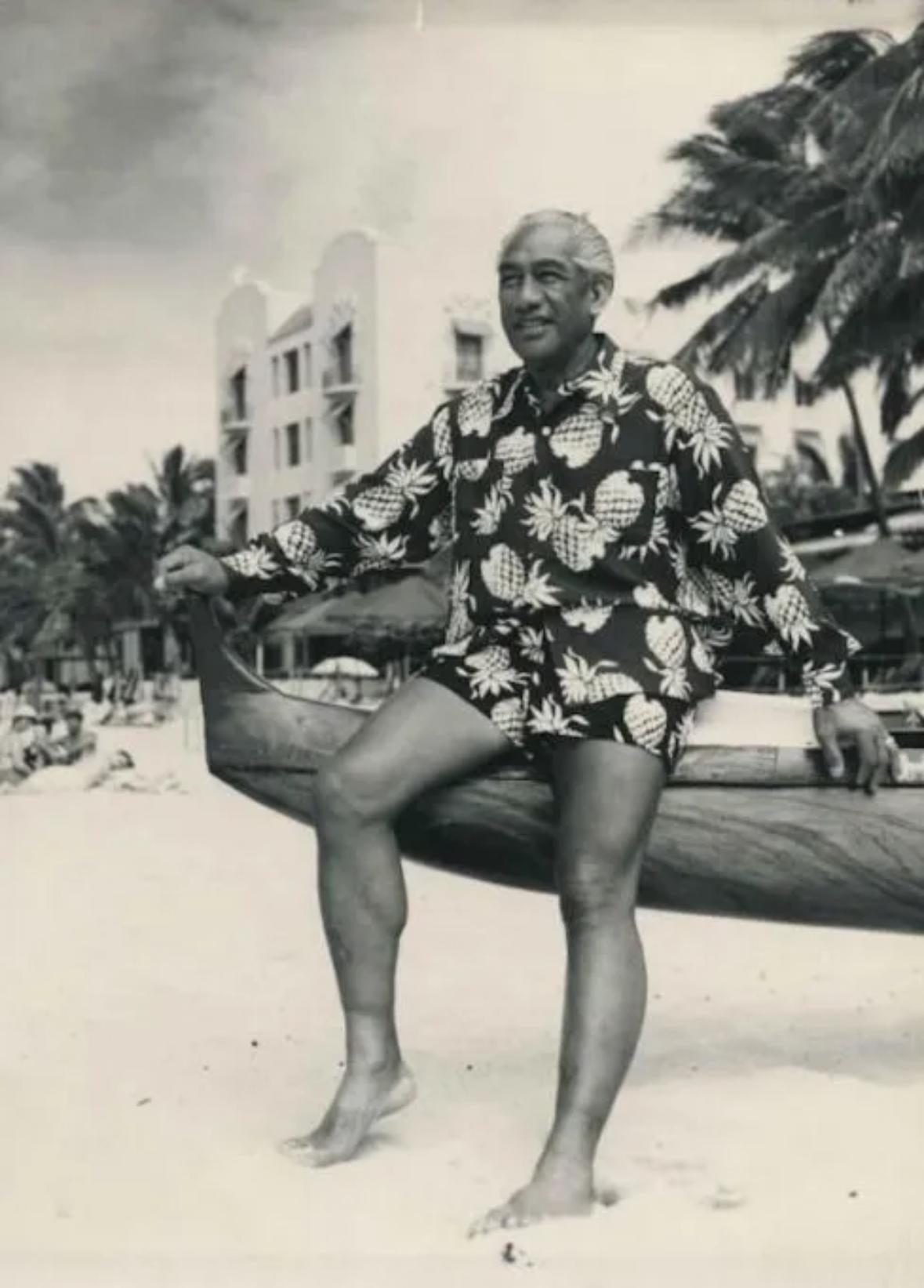
During World War II, U.S. servicemen stationed in Hawaiʻi brought the shirts back to the mainland, spreading their popularity and linking them to leisure and escape.
Mainstream Popularity (1950s–1960s)
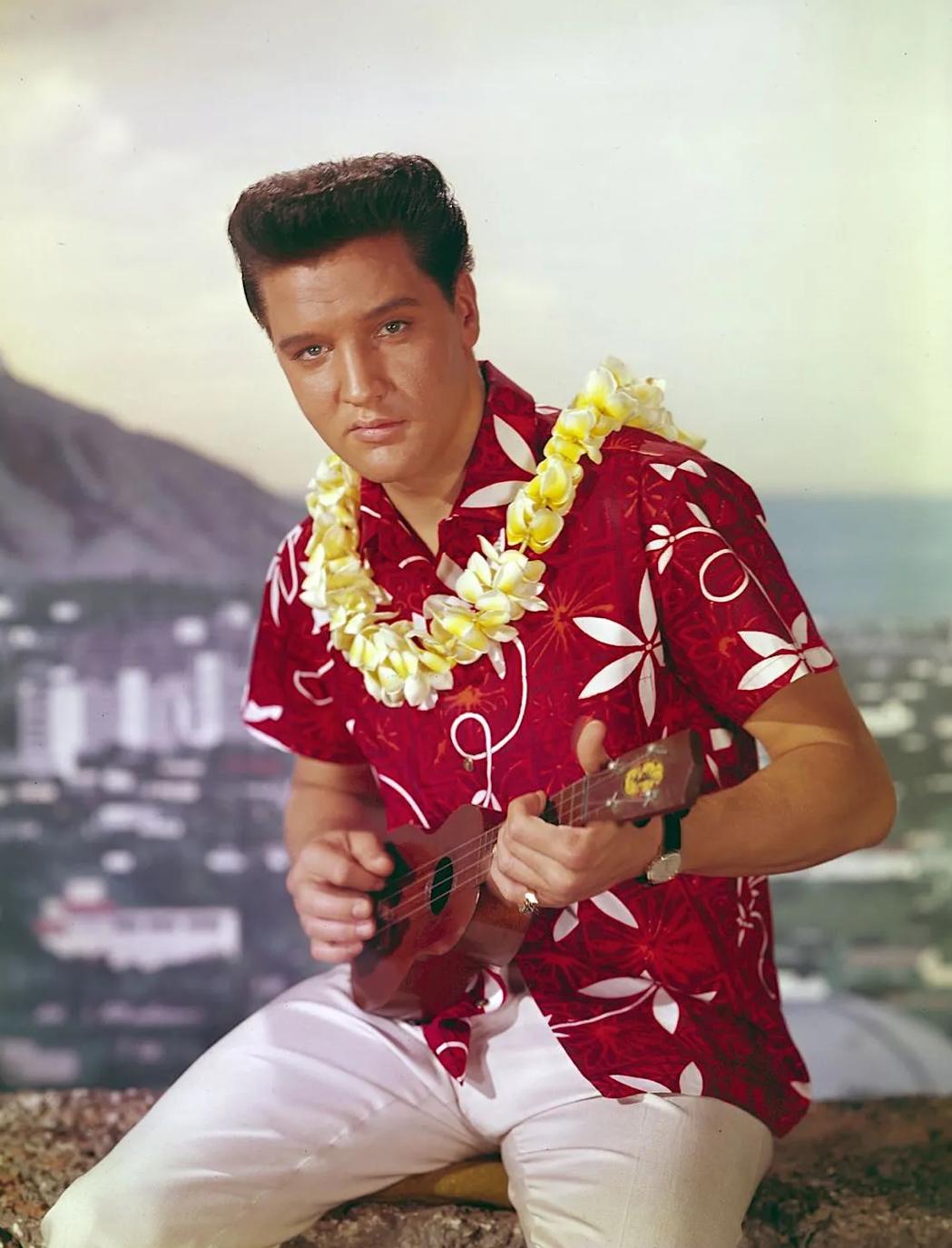
Aloha shirts became symbols of tourism and postwar relaxation, frequently appearing in movies and advertisements. In Hawaiʻi, they gained acceptance as everyday and even semi-formal wear, reflecting local pride rather than novelty.
Modern Use and Meaning (1970s–present)
The shirt has cycled through fashion revivals and pop culture while remaining a staple of Hawaiian dress. Today, it represents Hawaiʻi’s blended cultural history, casual professionalism, and connection to place.
Print, Color & Cultural Symbolism
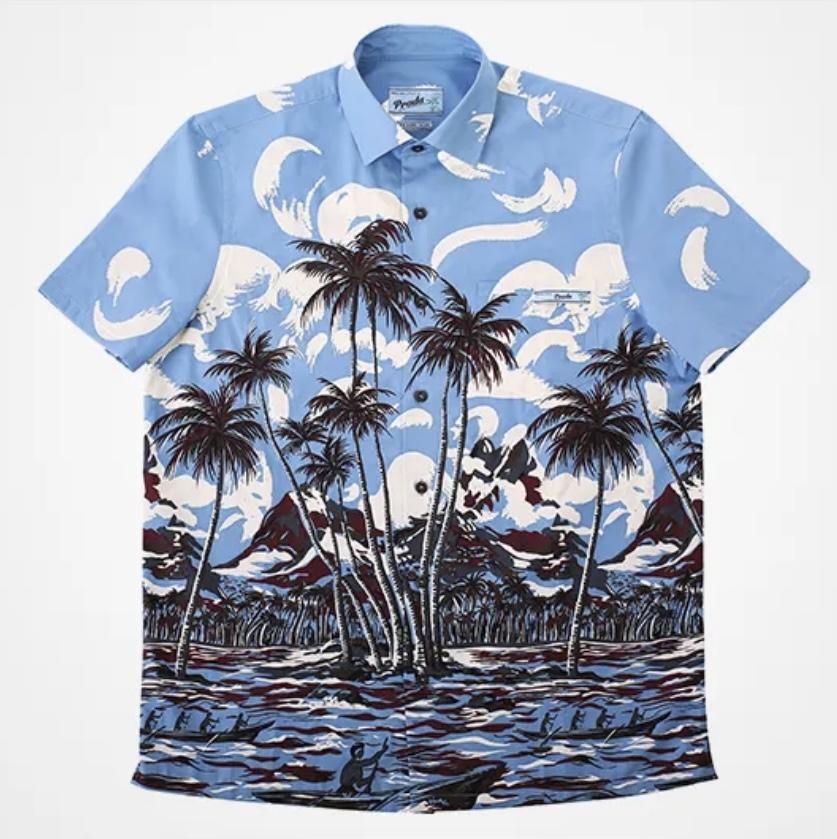
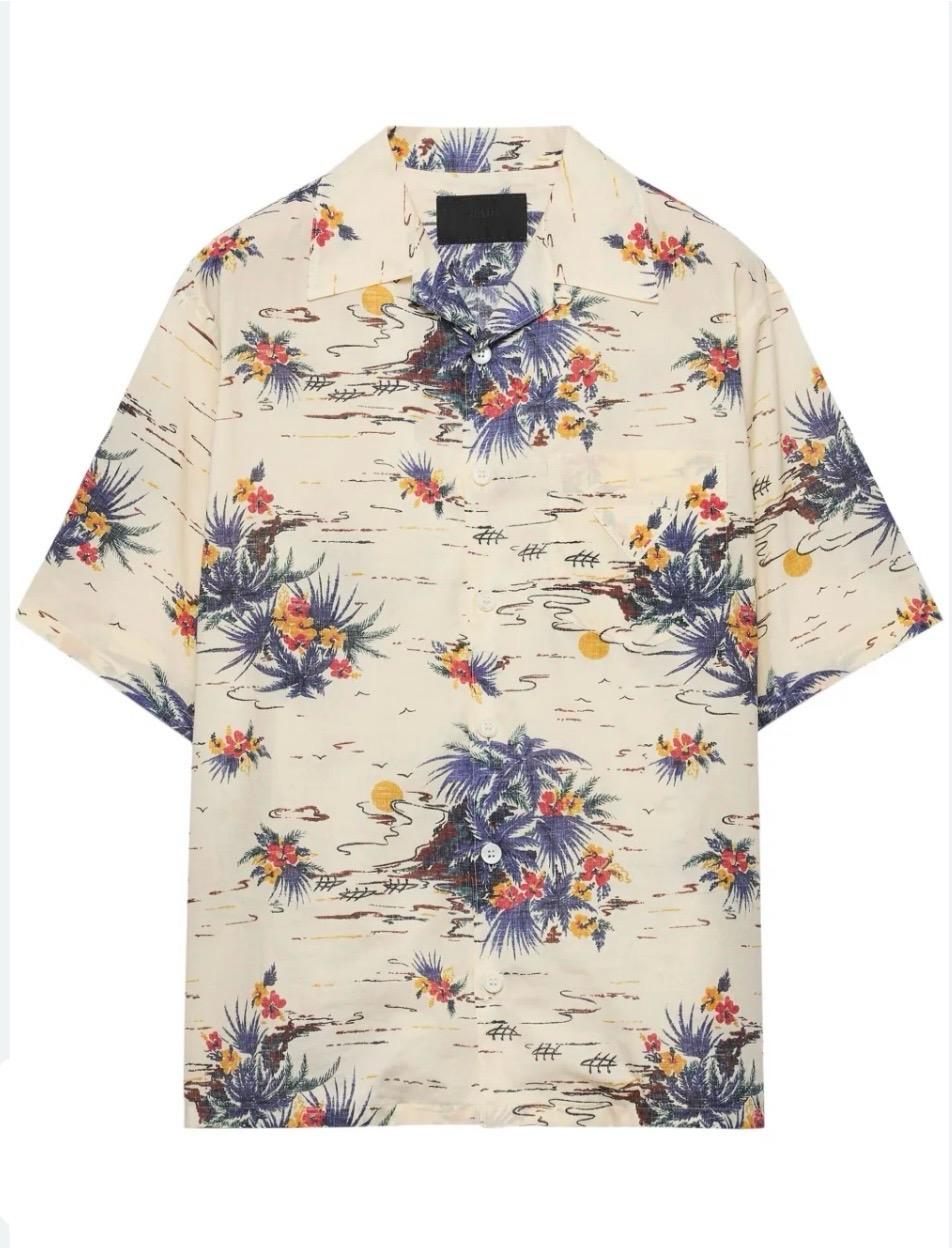
Hawaiian shirts were typically a mix of exotic flowers, plants and ocean scenes that fused the cultural influences of Tahiti, Japan and the Philippines. Sometimes considered a bit gaudy, cheap imitations were associated with tourists, while higher up the fashion food chain, expensive styles carried significance through their use of colour and storytelling design as an homage to Hawaiian heritage.
Use of Color
- Ocean blues & teals → Life, navigation, and Hawaiʻi’s deep connection to the sea
- Lush greens → Growth, fertility, and the land (ʻaina)
- Earthy browns & volcanic tones → Ancestry, grounding, and volcanic landscapes
- Reds & yellows → Historically linked to royalty, power, and spirituality
- Muted, layered palettes → Inspired by traditional dyes and barkcloth, creating harmony instead of loud contrast
Colour becomes a quiet communicator of place, history, and respect.
Recent Runway Trends
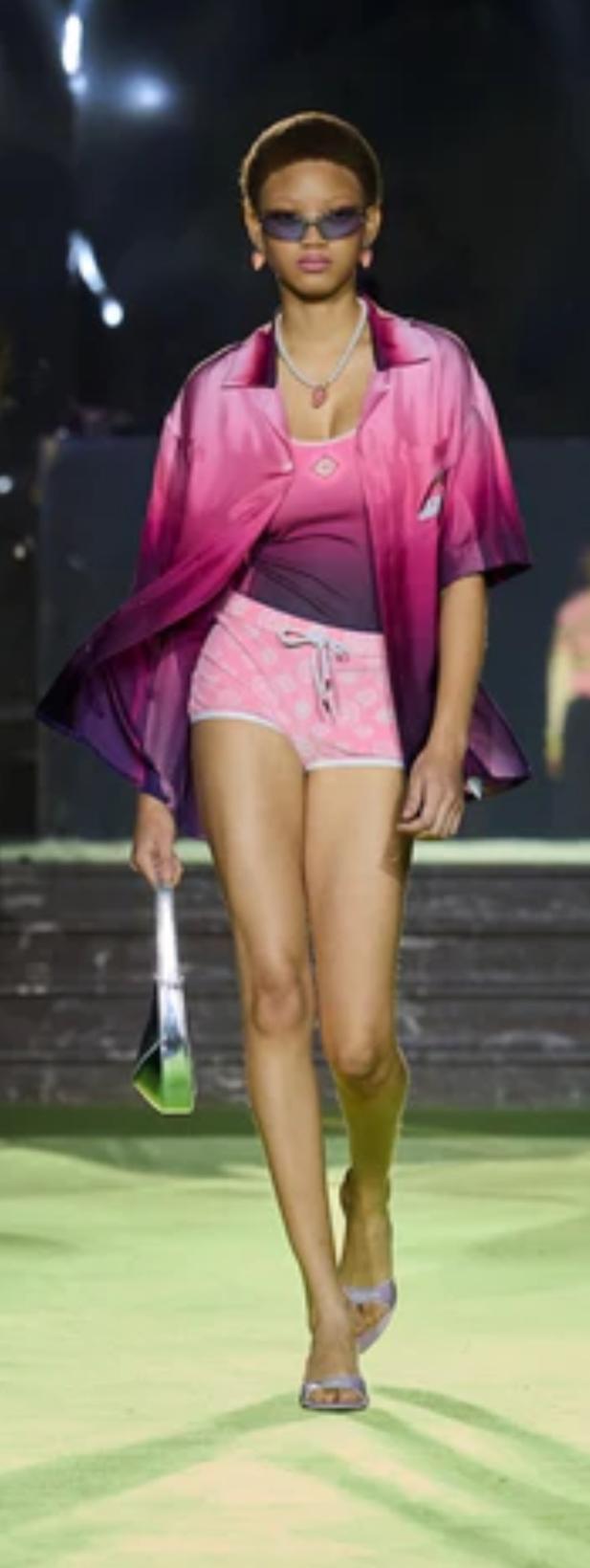
Casablanca SS26 Menswear continues to define the modern Hawaiian shirt through boxy, relaxed silhouettes with camp collars and straight hems. The proportions are intentionally loose but controlled, reinforcing the shirt’s resort origins while aligning with contemporary relaxed tailoring.
In contemporary luxury fashion, the Hawaiian (Aloha) shirt has largely disappeared from runway collections. Once periodically reappropriated as a symbol of irony, leisure, or retro excess, the garment no longer aligns with the dominant values shaping luxury design today. Current collections favor elongated lines, modular layering, or precise tailoring, leaving little room for a silhouette that is immediately coded as casual, seasonal, and non-transformative.
Brand Comparison: High-End vs. Mass-Market
High-End Brand: Prada
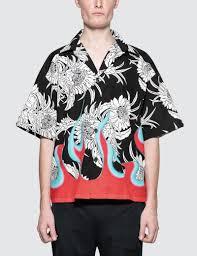
Prada approaches the Hawaiian T-shirt from an intellectual, ironic luxury perspective, reframing casual graphic wear through restraint, material quality, and conceptual distance. Rather than embracing overt tropical exuberance, Prada often flattens or cools the Hawaiian imagery, aligning it with the brand’s understated, cerebral identity.
- Style & Silhouette: Classic short-sleeve T-shirt silhouette with a clean, slightly boxy fit.
- Line & Cut: Minimal, precise construction with standard seams and neckline.
- Volumes & Proportion: Balanced proportions that sit close to the body without being fitted.
- Key Design Details: Hawaiian references appear in a muted, abstracted manner—washed prints, subdued color palettes, or stylized graphics rather than literal palm or surf imagery.
- Fabrics: High-quality cotton jersey with a smooth, dense hand feel, emphasizing durability and tactility.
Mass-Market Brand: H&M
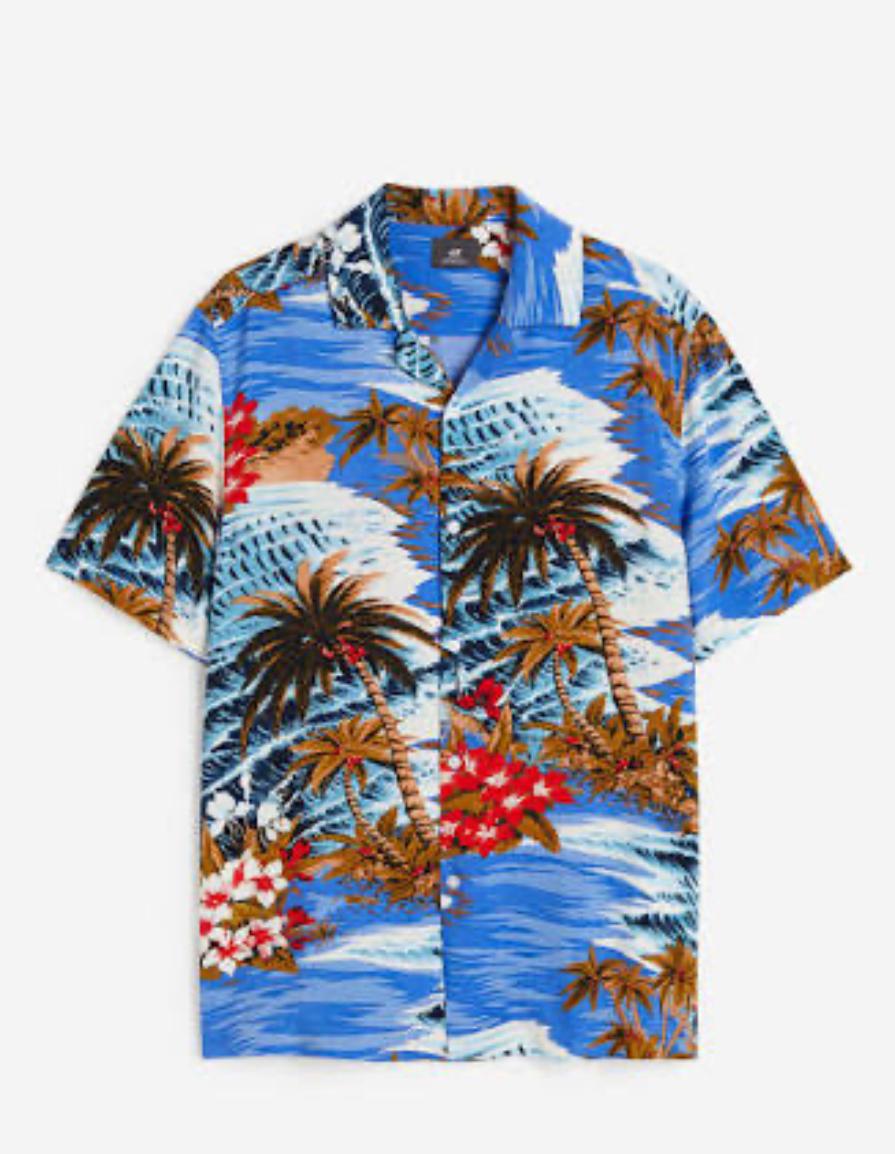
H&M treats the Hawaiian T-shirt as a seasonal, trend-driven product, designed for accessibility and rapid turnover. The focus is on visual appeal, affordability, and immediacy rather than longevity or brand heritage.
- Style & Silhouette: Standard short-sleeve T-shirt with a casual, relaxed fit.
- Line & Cut: Simple, symmetrical construction optimized for mass production.
- Volumes & Proportion: Generic proportions for a wide consumer base, prioritizing comfort and ease over fashion experimentation.
- Key Design Details: Bright tropical prints, palm motifs, sunsets, or surf imagery used as direct visual cues. The Hawaiian identity is literal and immediately legible.
- Fabrics: Lightweight cotton or cotton-blend jersey chosen for cost efficiency and breathability.