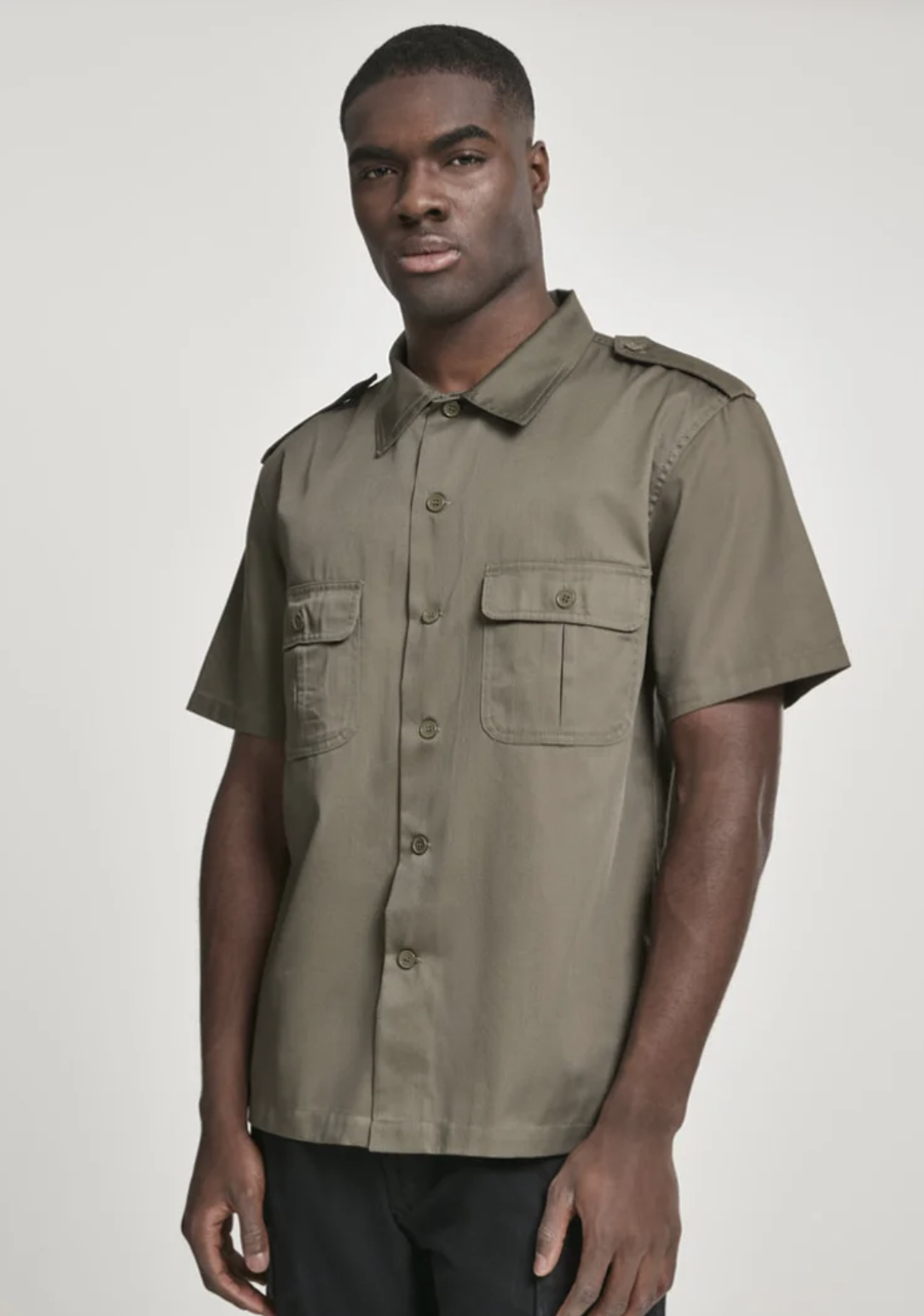
Military Shirt
Historical Origins
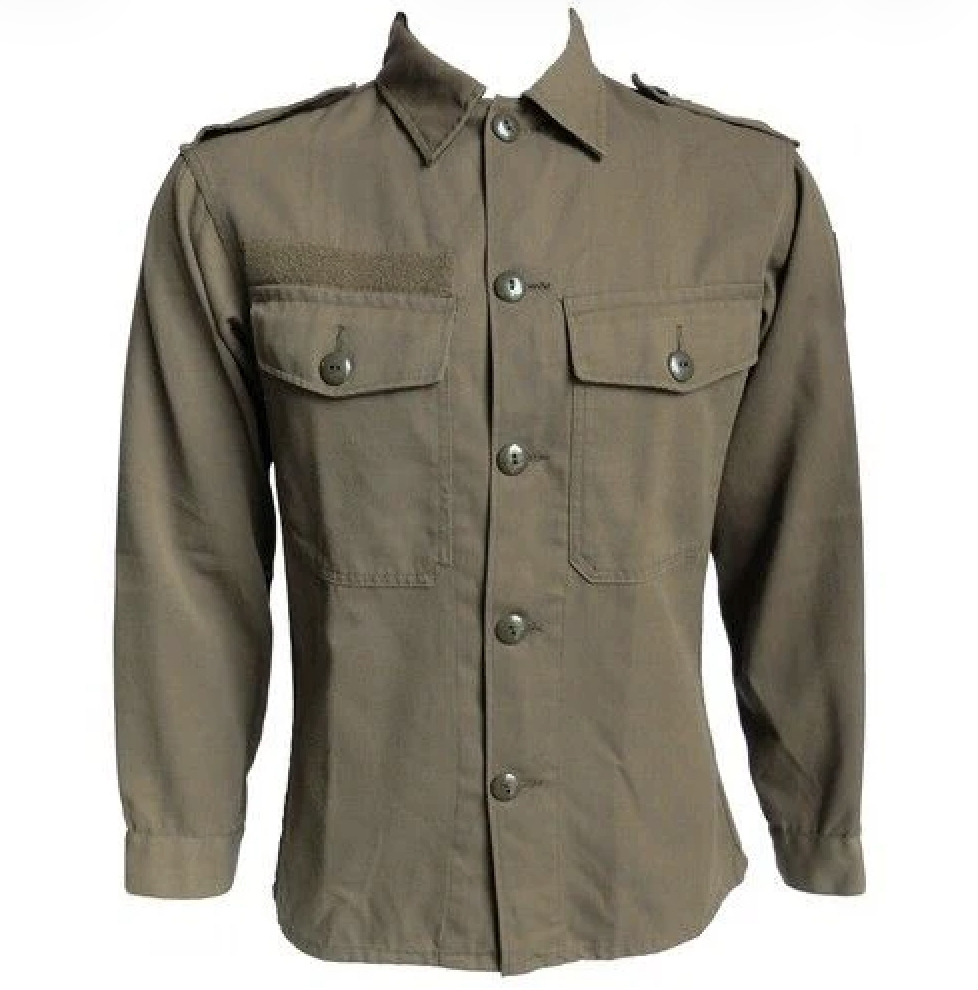
The modern military shirt as we know it—characterized by dual chest pockets and durable construction—traces its origins to the early 1900s.
- World War I: The transition from decorative tunics to the Khaki Drill (KD) shirt. It introduced the “safari” style with bellows pockets, designed for tropical theaters where breathability and gear storage were paramount.
- World War II: The emergence of the M-1937 Wool Field Shirt and the OG-107 Utility Shirt. These moved away from tuck-in styles to straight-hemmed designs that could be worn as outer layers.
- Vietnam Era: The introduction of Ripstop Poplin—a breakthrough in textile history, preventing tears from spreading in jungle environments—a detail that remains a staple in commercial “tactical” fashion today.
- Cold War: Many American symbols entered the global mainstream. Military shirts, overshirts, jackets, and the camouflage pattern were commercialized, shifting their significance from tactical clothing to everyday items.
The military shirt has been associated with masculinity, toughness, durability, and war. After WWI and WWII, surplus military shirts entered civil markets, worn by youth and countercultures, becoming fashion symbols of rebellion and utilitarian authenticity.
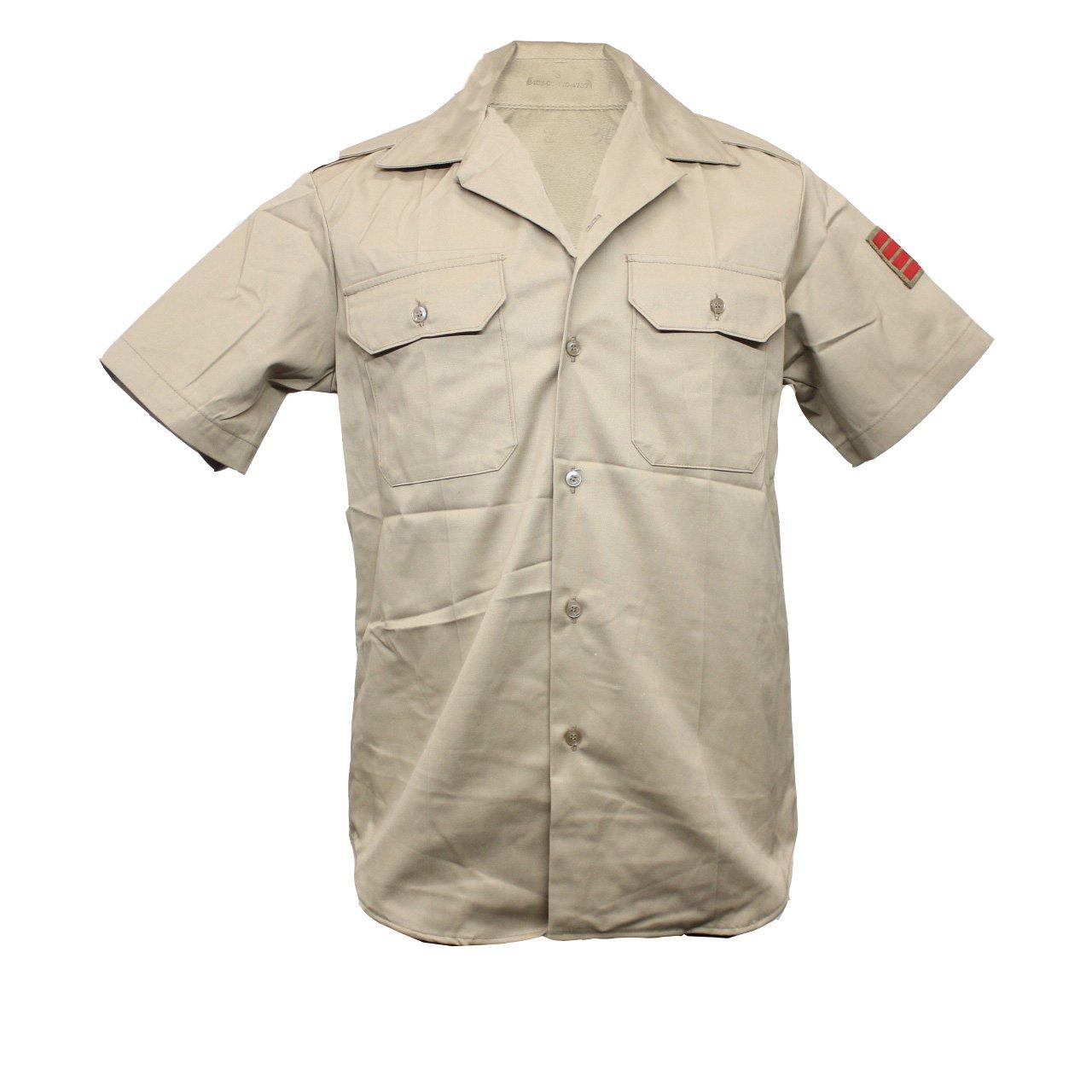
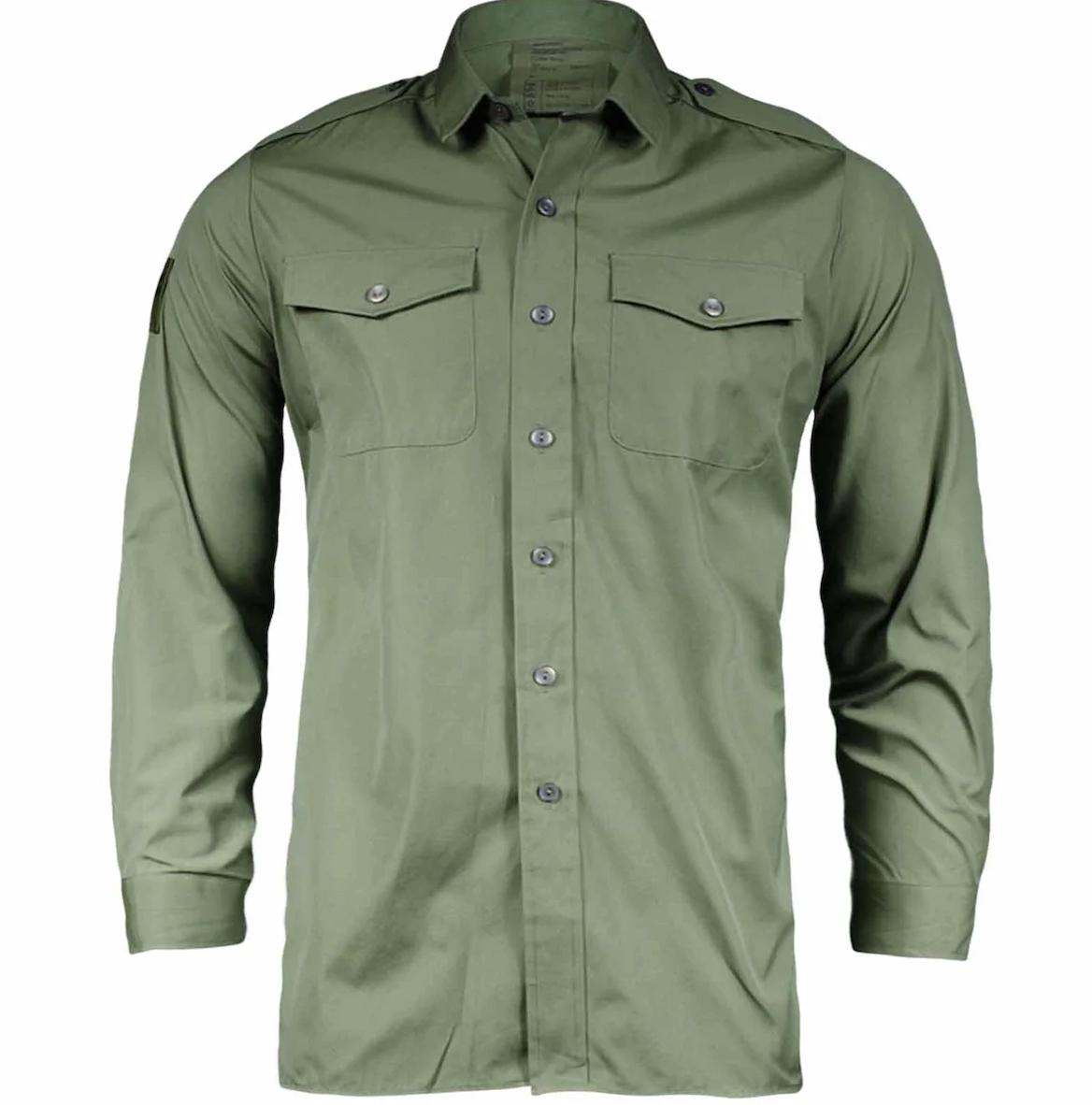
Cultural Crossover & Iconic Appearances
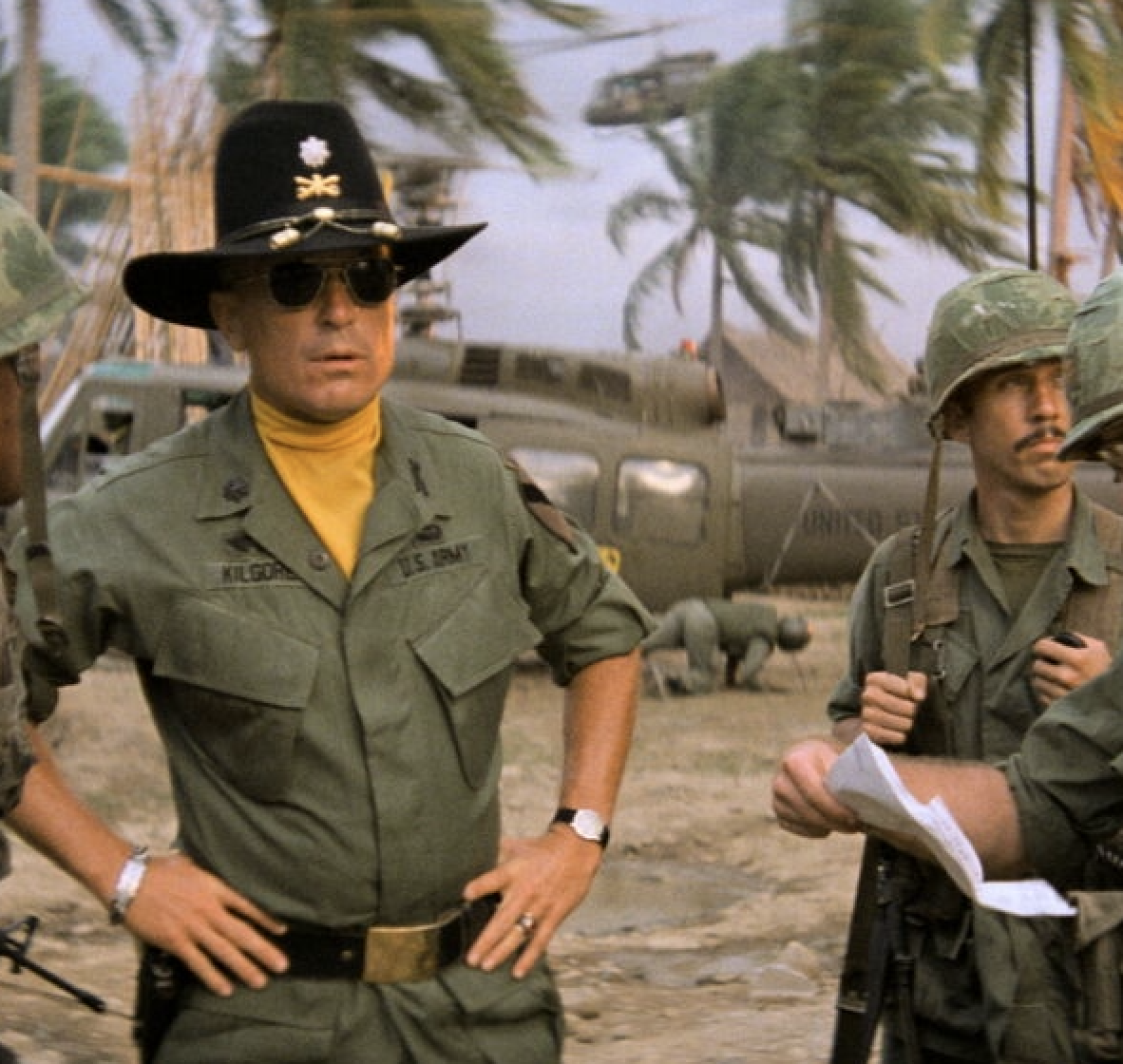
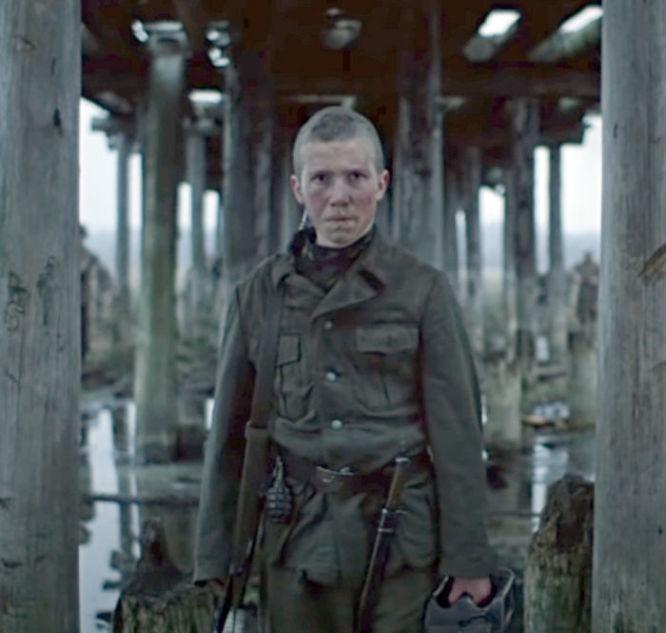
Military shirts were injected onto the popular mainstream through movies, celebrities, and music. Movies such as Come and See, Apocalypse Now, and Full Metal Jacket not only depicted the horrors of war, but they also proved the tenacity of military gear.
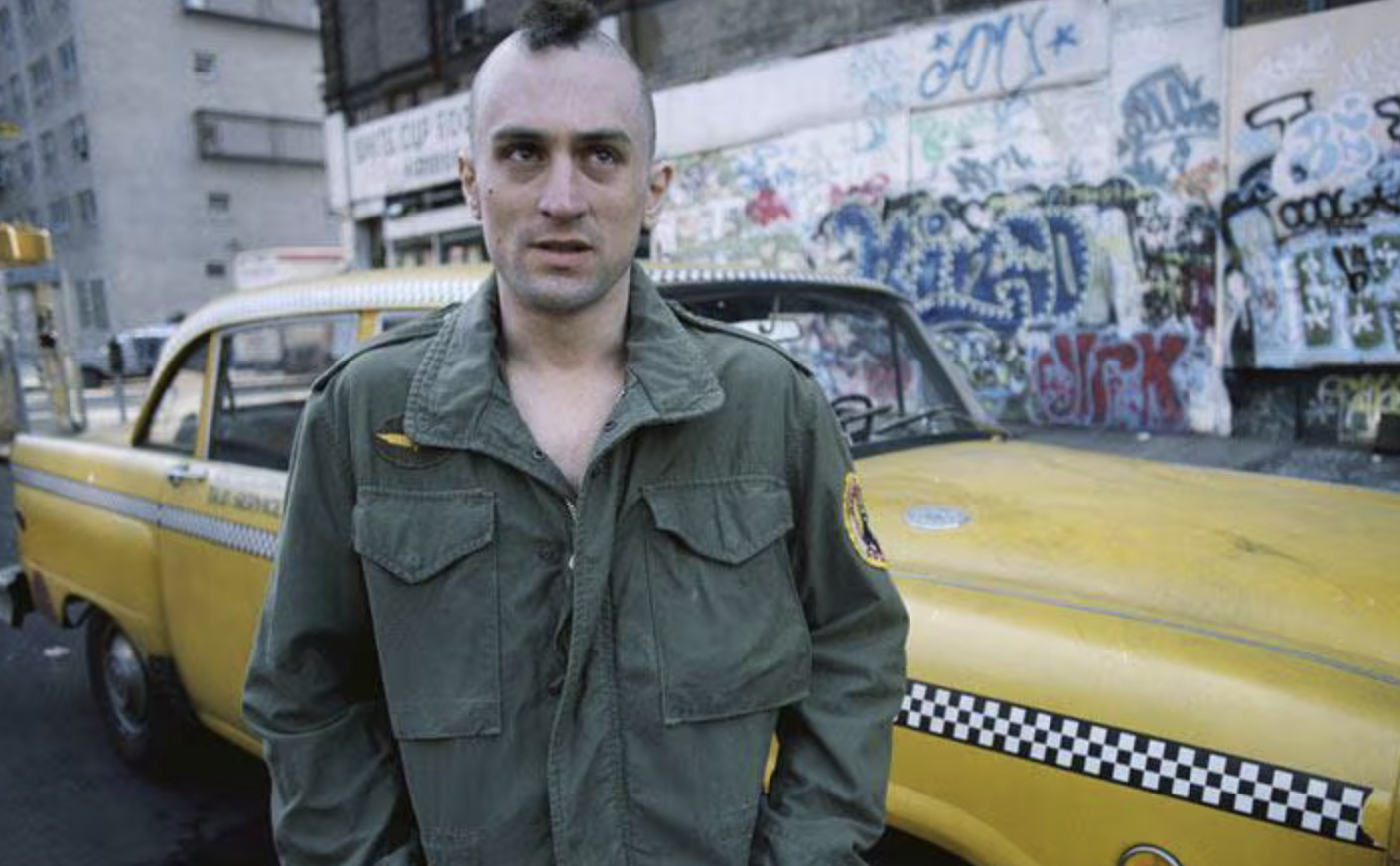
These movies helped create an atmosphere around the shirt: its wearer is tough, resilient, masculine or macho, and perhaps even sober in some sense. Outside of the war scope, we see an iconic military overshirt on a regular context in Taxi Driver, later referenced by Junya Watanabe.
During the early 2000s, the military shirt and the camouflage print were turned into an anti-war, anti-imperialism symbol. Designers like Junya Watanabe used both military symbolism and camouflage print to create avant-garde pieces that evoked an anti-fashion sense to this otherwise war-associated item.
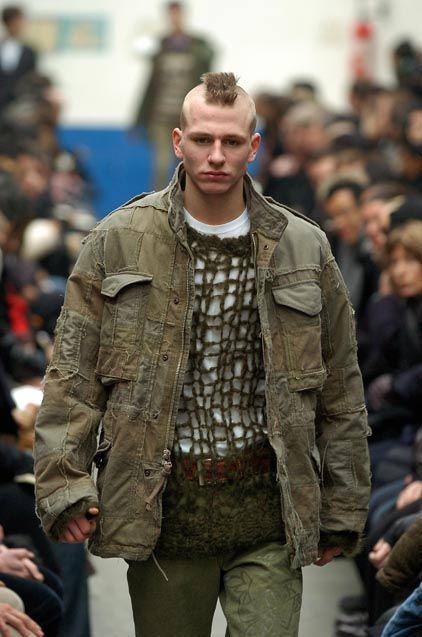
Latest Runway Trends
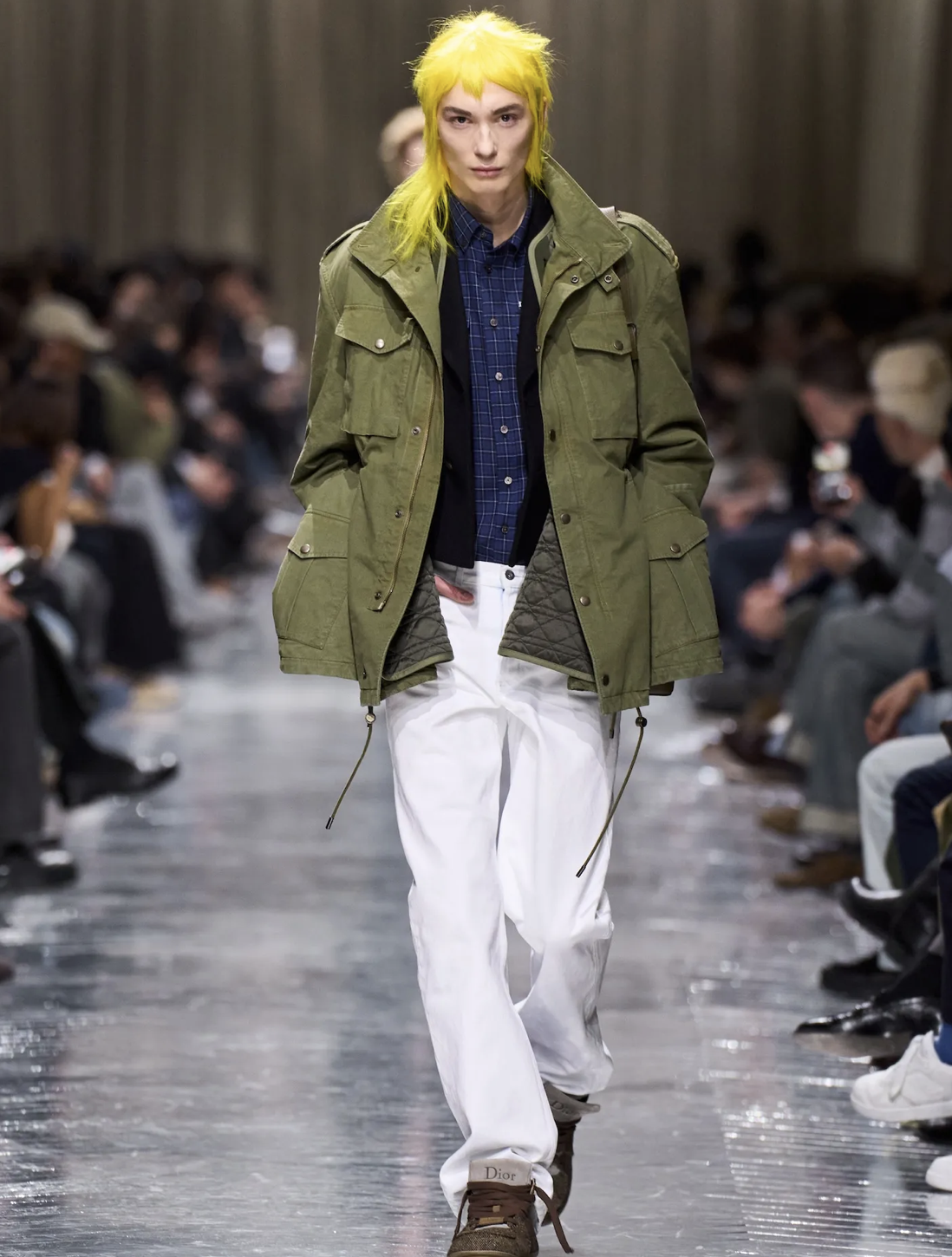
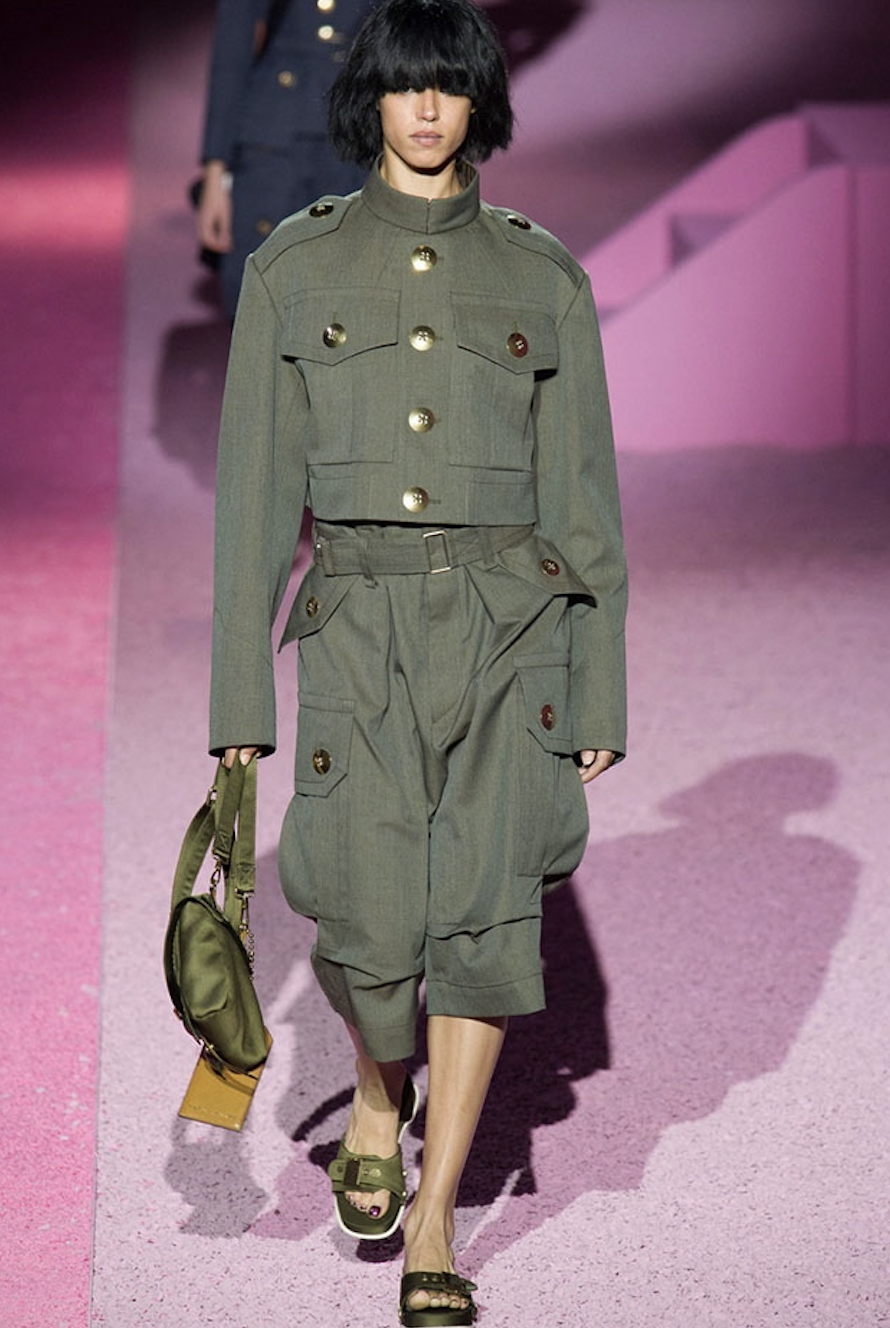
- Style: Hybridization – The “Shirt-Jacket.” The line between shirt and outerwear is blurred.
- Line: Relaxed, dropped shoulders to contrast with the formal history of the uniform. A looser silhouette for a rather structured shape.
- Volumes: Oversized, boxy fits designed for layering over hoodies or heavy knits.
- Details: Oversized cargo pockets and tonal hardware (buttons/zips matching the fabric).
- Fabrics: Tech-silks and recycled nylons that offer a sheen rather than a matte military finish. Colors are not as sober, and they intend to echo a military aesthetic rather than provide a functional nature.
Brand Analysis: Stone Island vs C.P. Company
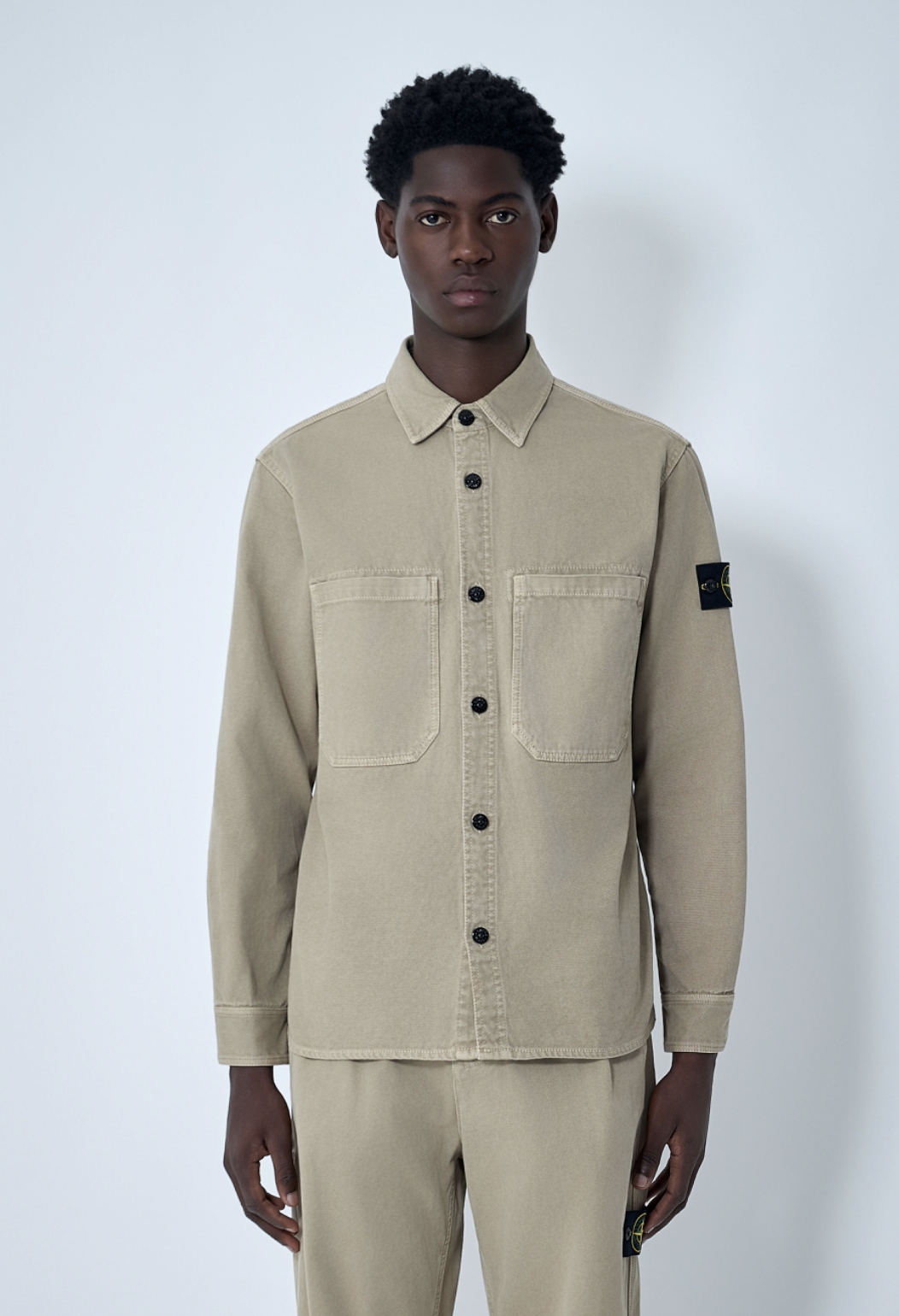
Stone Island: Material Alchemy
Focuses on the shirt as a laboratory for fabric research. Tela Stella: A military-grade canvas treated with pigments to mimic weathered truck tarpaulins.
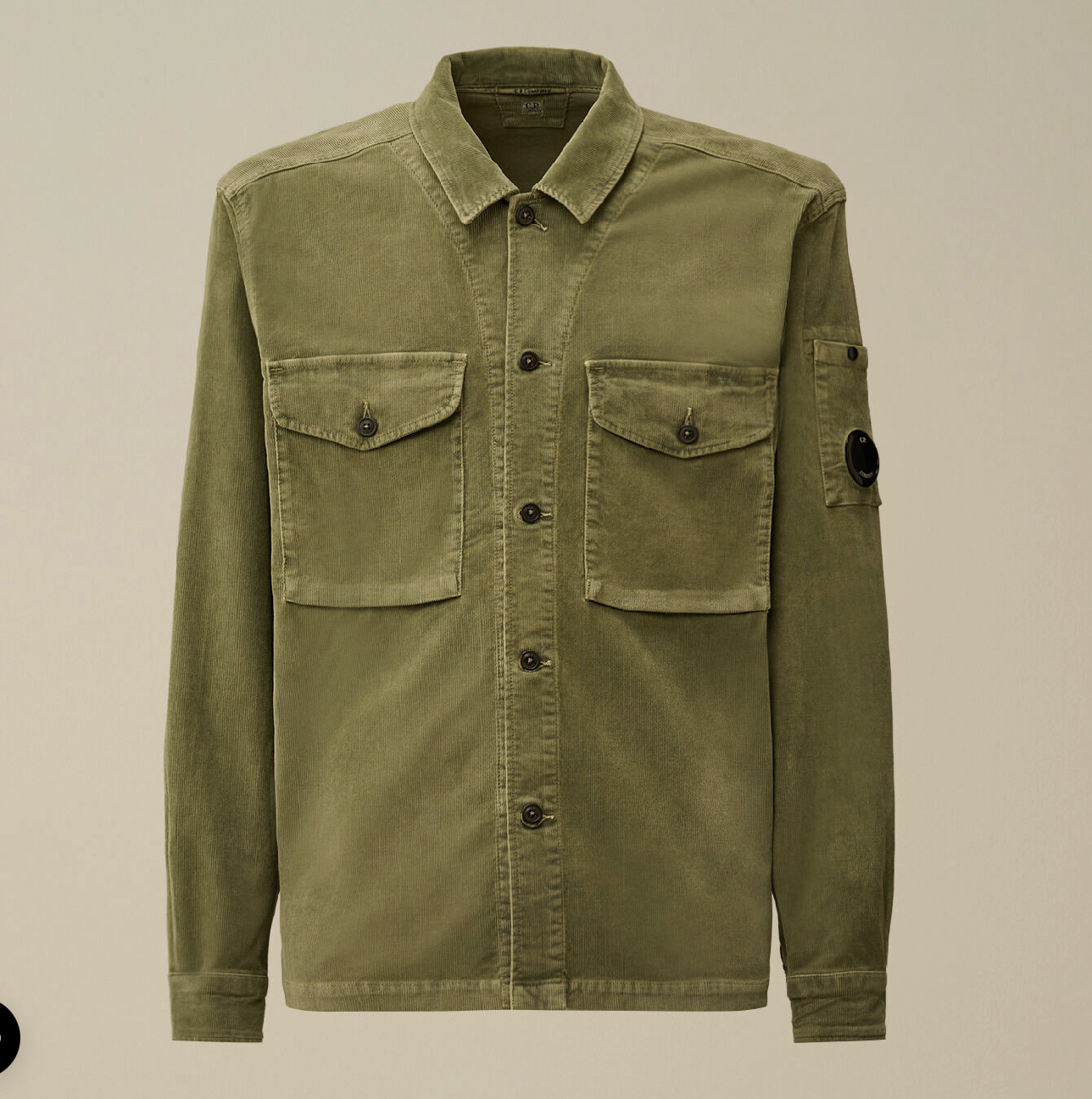
C.P. Company: Urban Protection
Focuses on the shirt as a modular piece of “urban armor.” A contemporary take on the construction of a military shirt.
The Goggle Detail: Integrating functional lenses into hoods or watch-viewer windows on sleeves.
Commercial Market vs. High-End
Mass Market: The “Daily Duty” Field Shirt
- Style: Classic Utility. Echoes the “authentic” surplus look for a mainstream audience.
- Fit: Regular fit, straight cut. Designed to feel “safe” and wearable for all body types.
- Volume: Standard. No extreme draping; focused on a neat, tucked or untucked appearance.
- Details: Plastic faux-horn buttons, twin buttoned-flap chest pockets, and reinforced elbow patches.
- Fabrics: Heavyweight Cotton-Polyester Blend (65/35), chosen for cost-efficiency and “easy-care.”
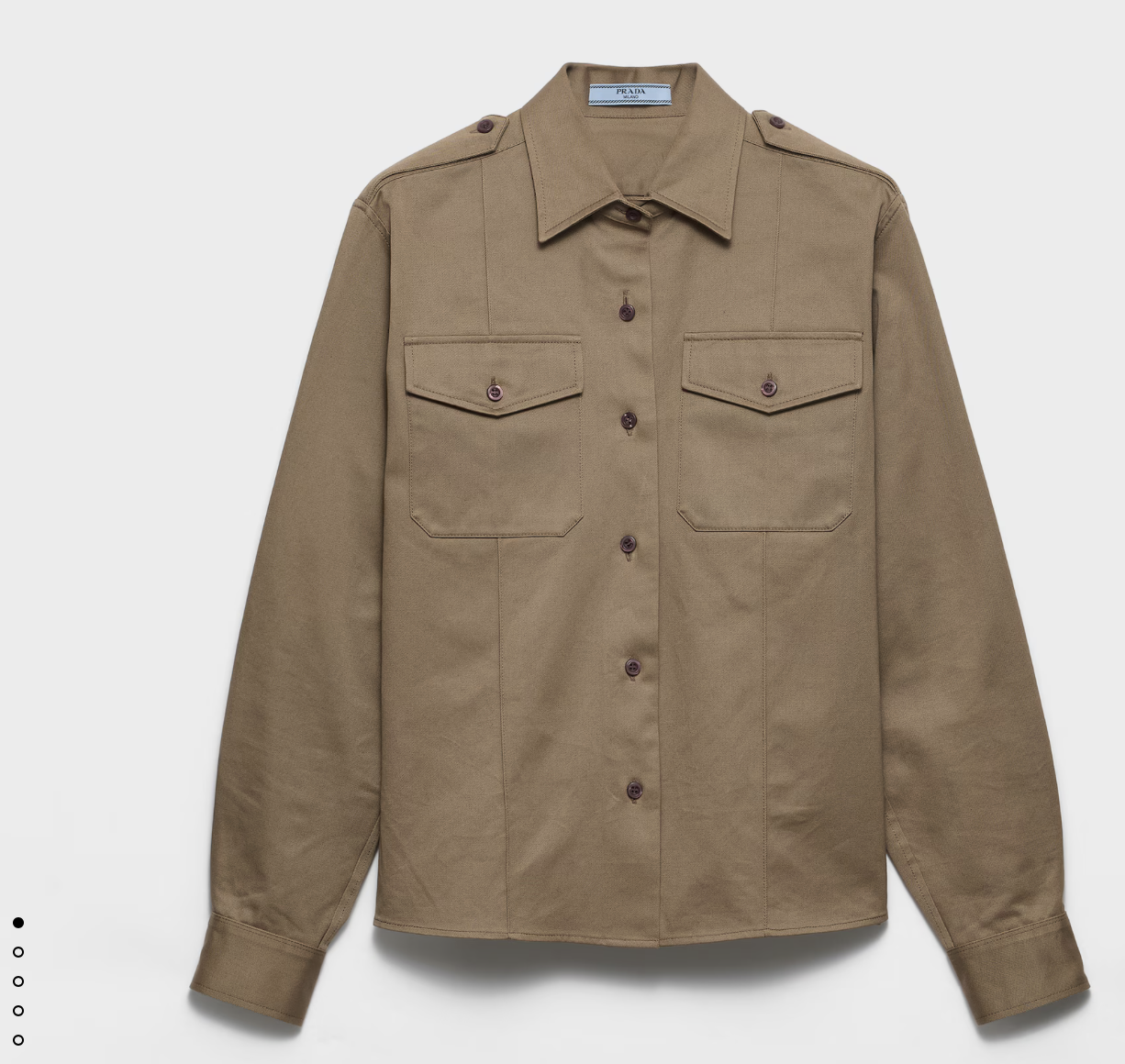
High-End: The “Technical Satin” Overshirt (Prada)
- Style: Luxury Techwear. A fusion of tailoring and high-performance gear.
- Line: Slim-to-tailored architectural line. Engineered to maintain shape even when moving.
- Volumes: Structured. Uses internal interlinings to ensure the collar and cuffs never collapse.
- Details: Buttons match the color of the shirt. Collar, sleeves, pockets, and shape are classical to a traditional military shirt. Even though from the women’s collection, its construction is masculine with a structured, boxy fit.
- Fabrics: Double-faced Mercerized Cotton, and in other cases polyamide. These fabrics provide a cool-to-the-touch feel, natural stretch, and a subtle “memory” effect where the fabric holds its shape.