Western Shirt
Historical Origins & Evolution
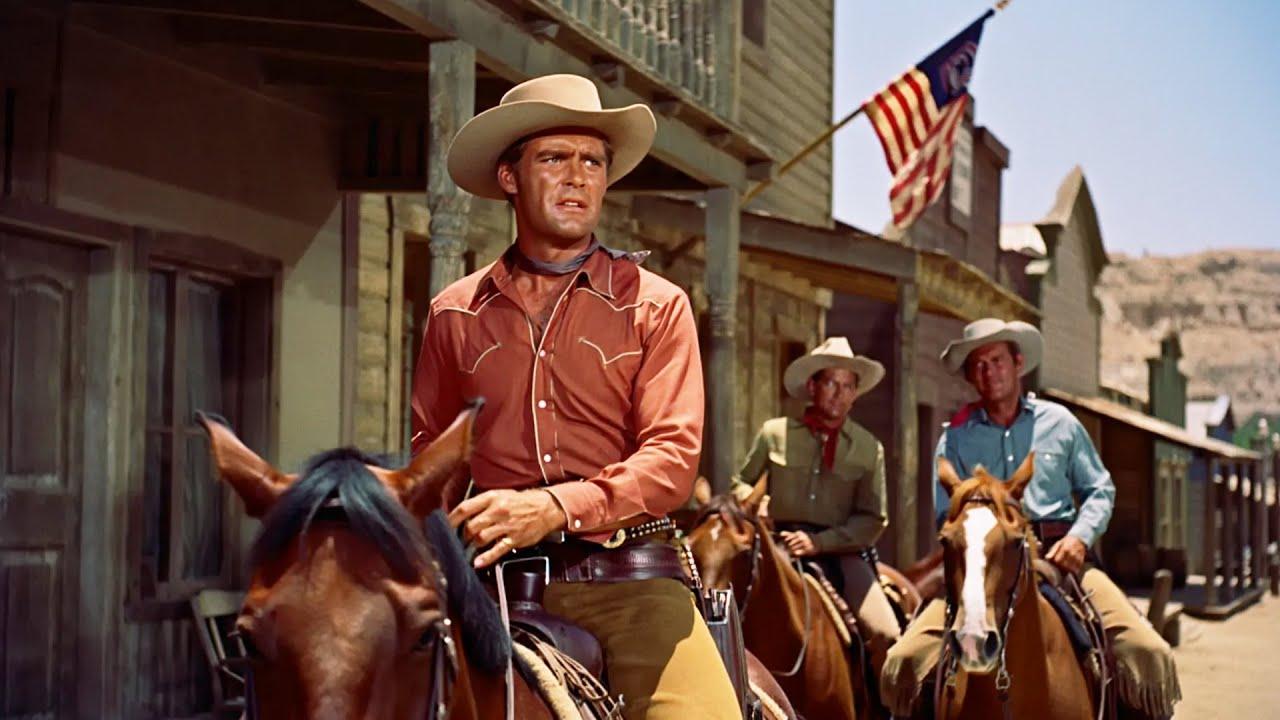
The Western shirt originated in the 19th-century American West as a functional tool for ranch work. It blended the vaquero traditions of Northern Mexico with durable American frontier utility. Early versions were designed for protection, featuring high collars and reinforced stitching.
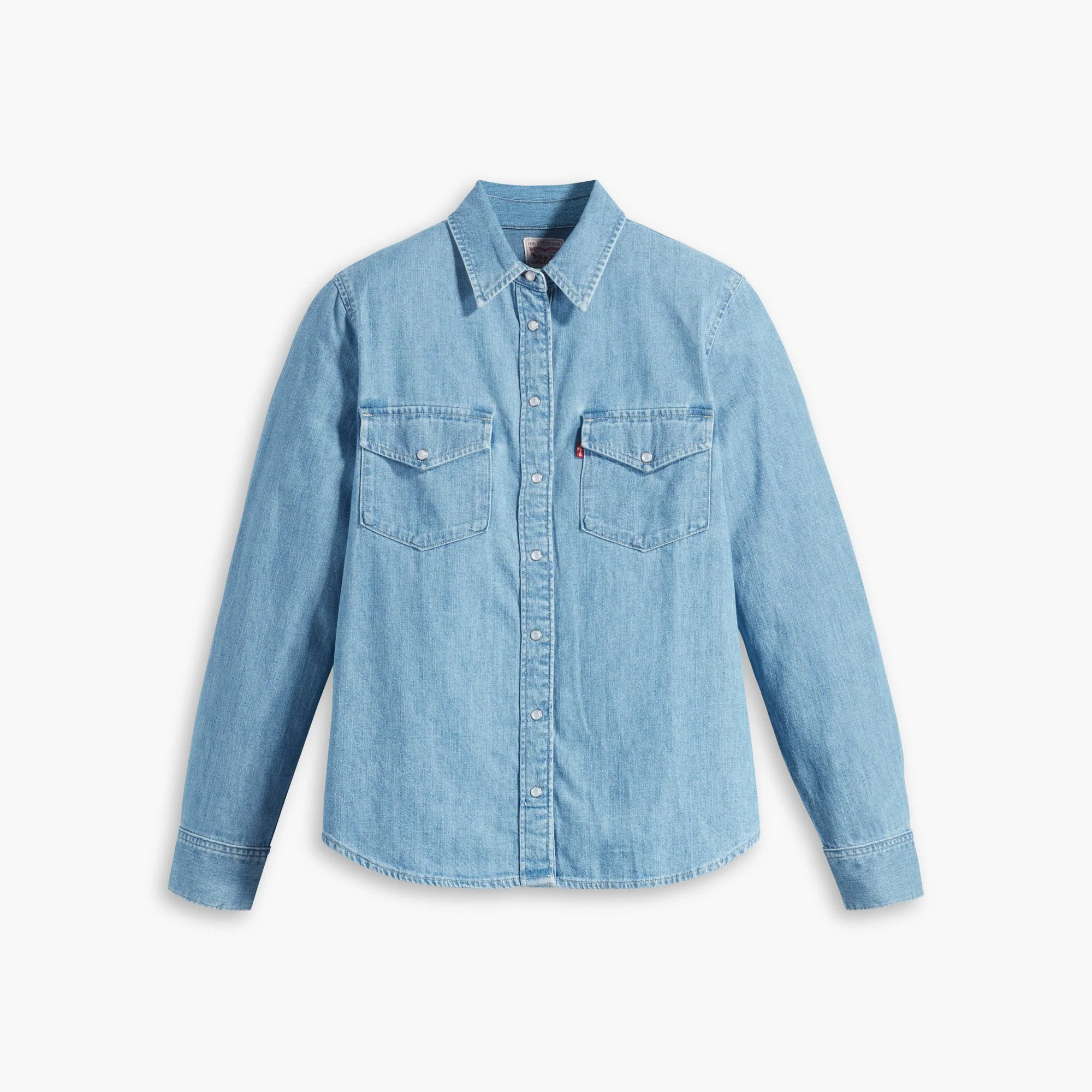
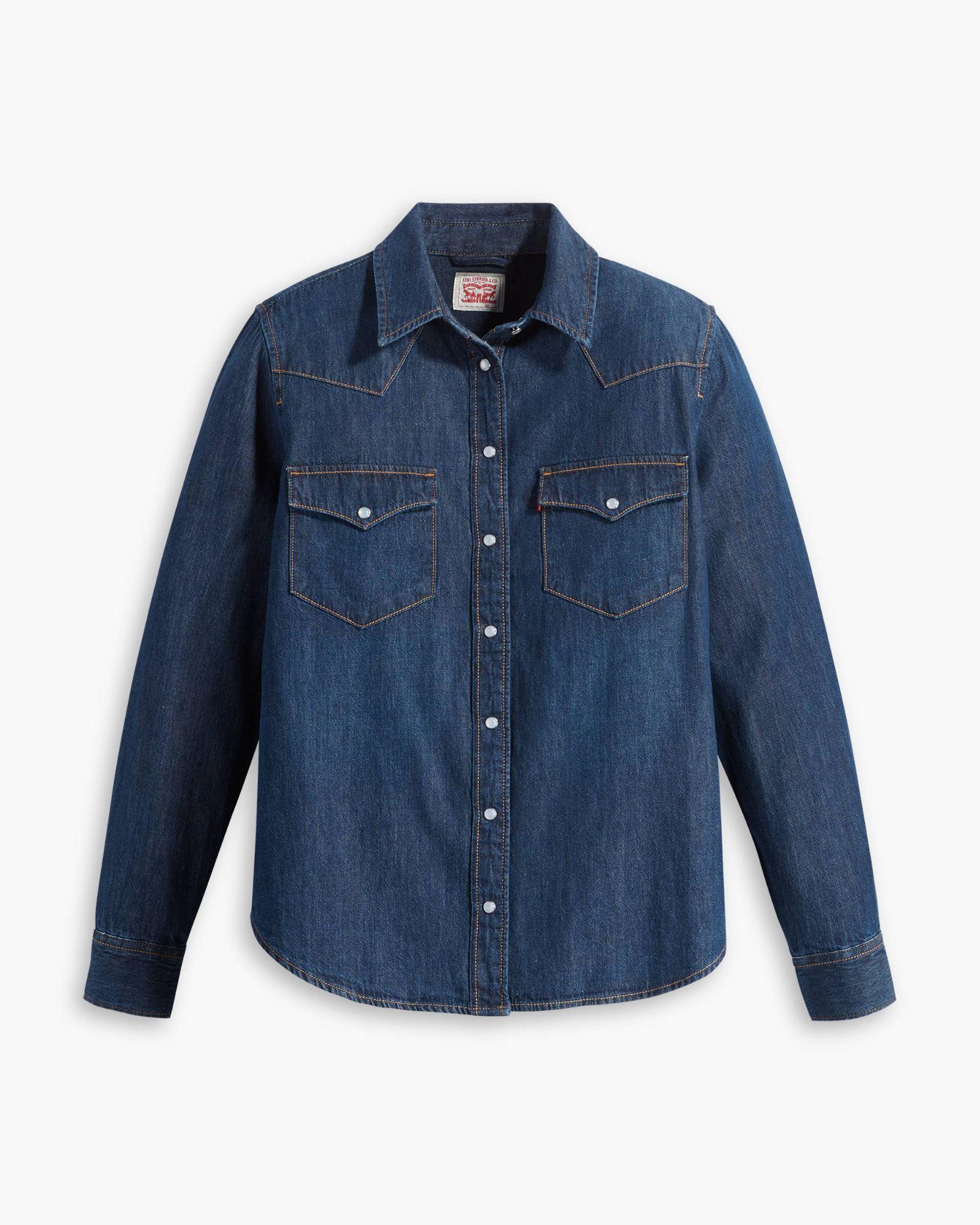
The shirt shifted from workwear to a cultural icon through 20th-century Hollywood "Singing Cowboys." This era introduced decorative elements like embroidery and piping. The most significant functional evolution occurred in the 1940s with the introduction of pearl snaps—a safety feature designed to break away if the garment caught on a saddle or horn—which remains the shirt’s most distinguishing feature alongside the reinforced pointed yoke.
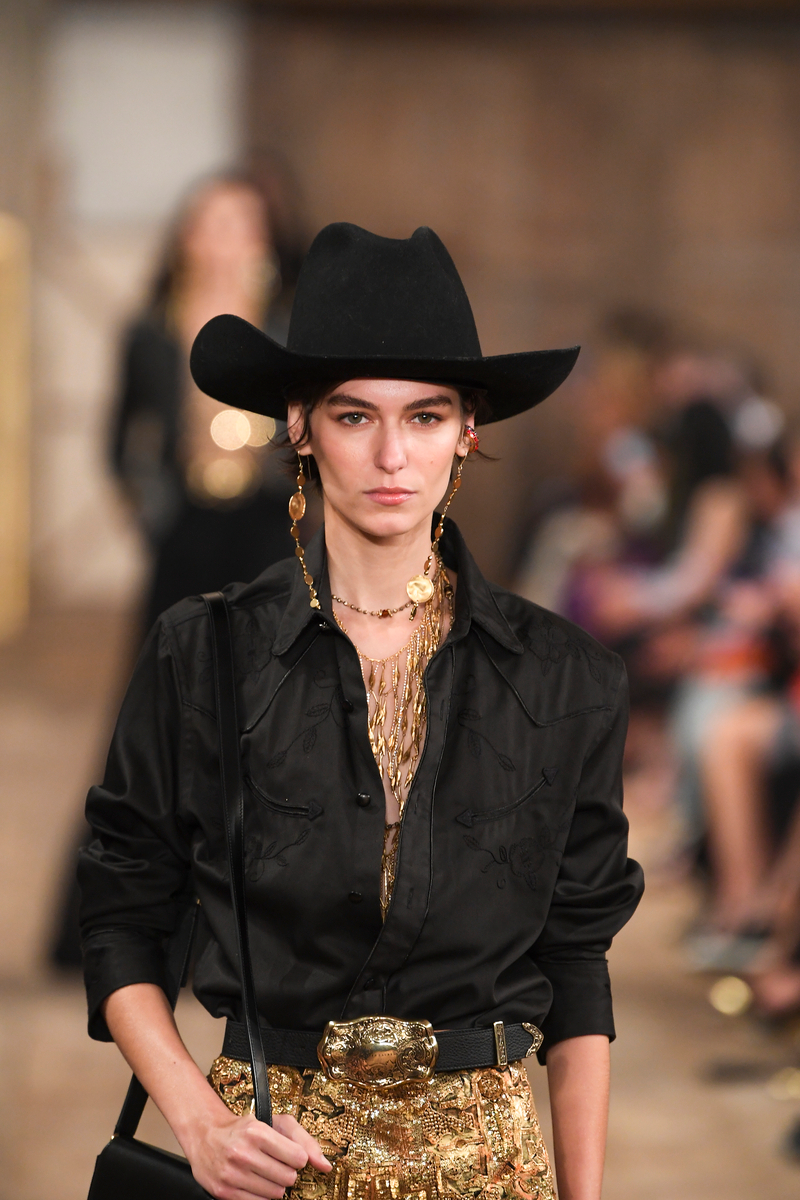
The Western Shirt on the Modern Runway
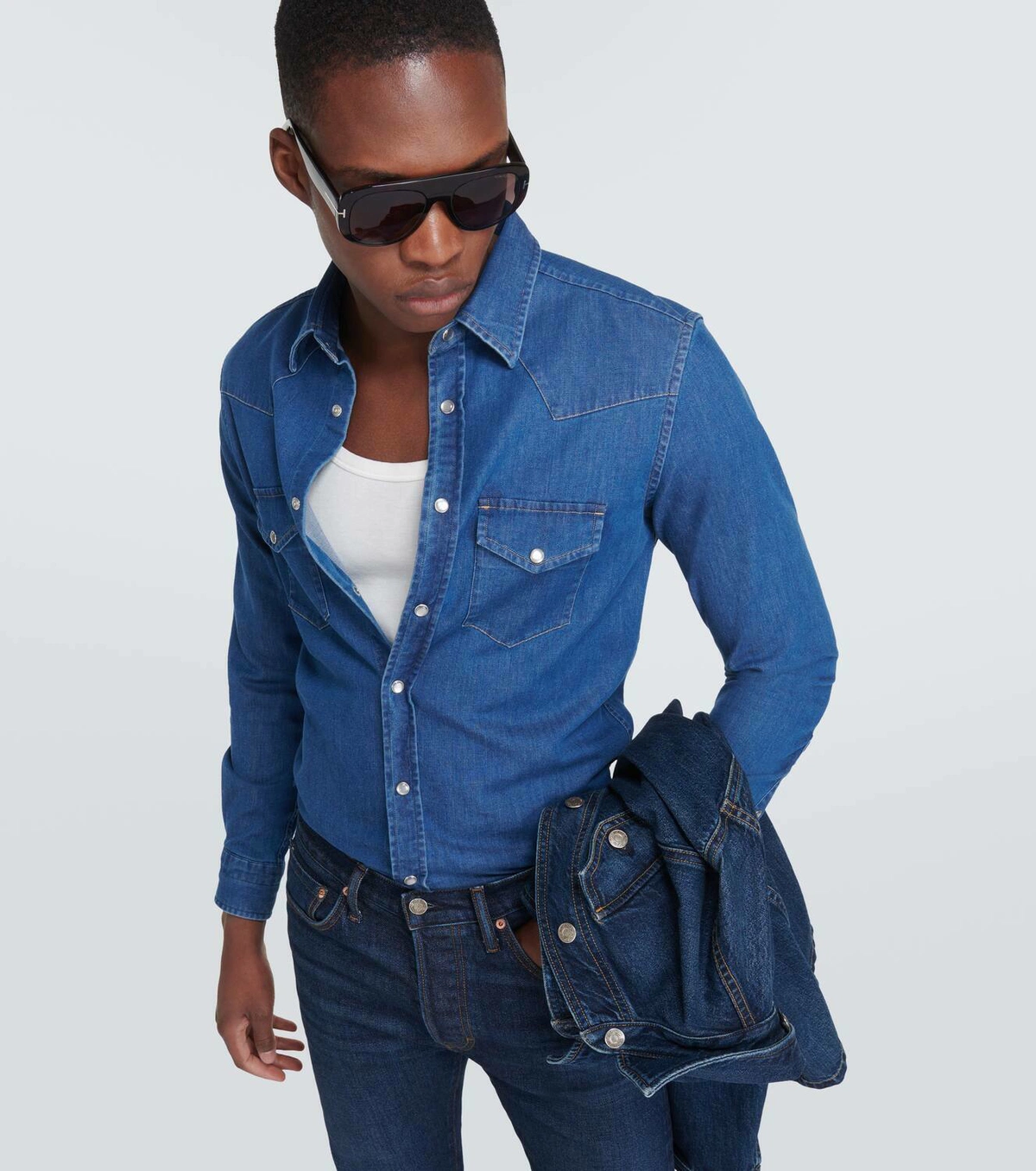
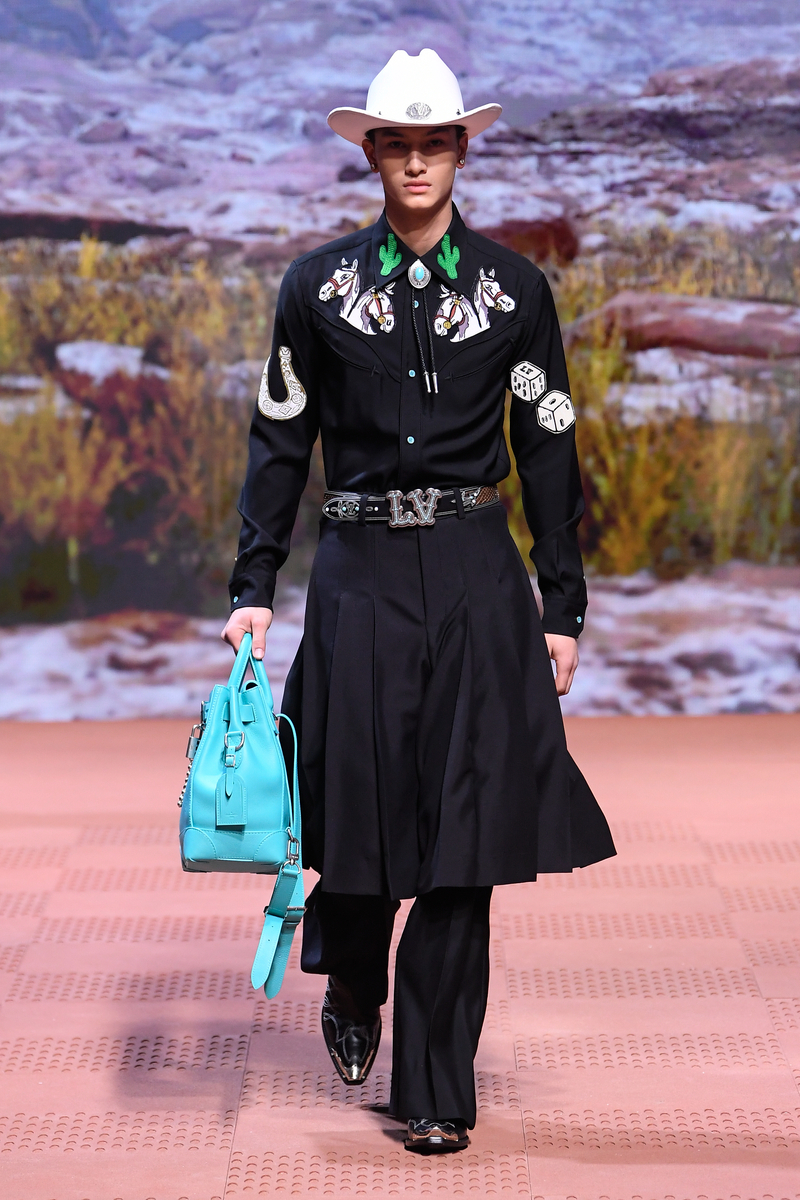
In recent runway cycles, the Western shirt has evolved from a vintage relic into a symbol of hyper-masculine luxury. Current trends have moved away from the "costume" feel of the past, instead focusing on a sculpted, V-tapered silhouette that emphasizes the frame.
Designers are elevating the garment through:
- Structured Glamour: Utilizing a sharp, narrow waist and exaggerated “S-curve” yokes to create a powerful, tailored look.
- Material Elevation: Replacing traditional rough-out fabrics with high-sheen materials like Japanese selvedge denim, Italian velvets, and heavy-weight silks that catch the light under evening conditions.
- Refined Hardware: Moving beyond standard snaps to focus on premium accents like mother-of-pearl or burnished gold-tone snaps instead of plastic.
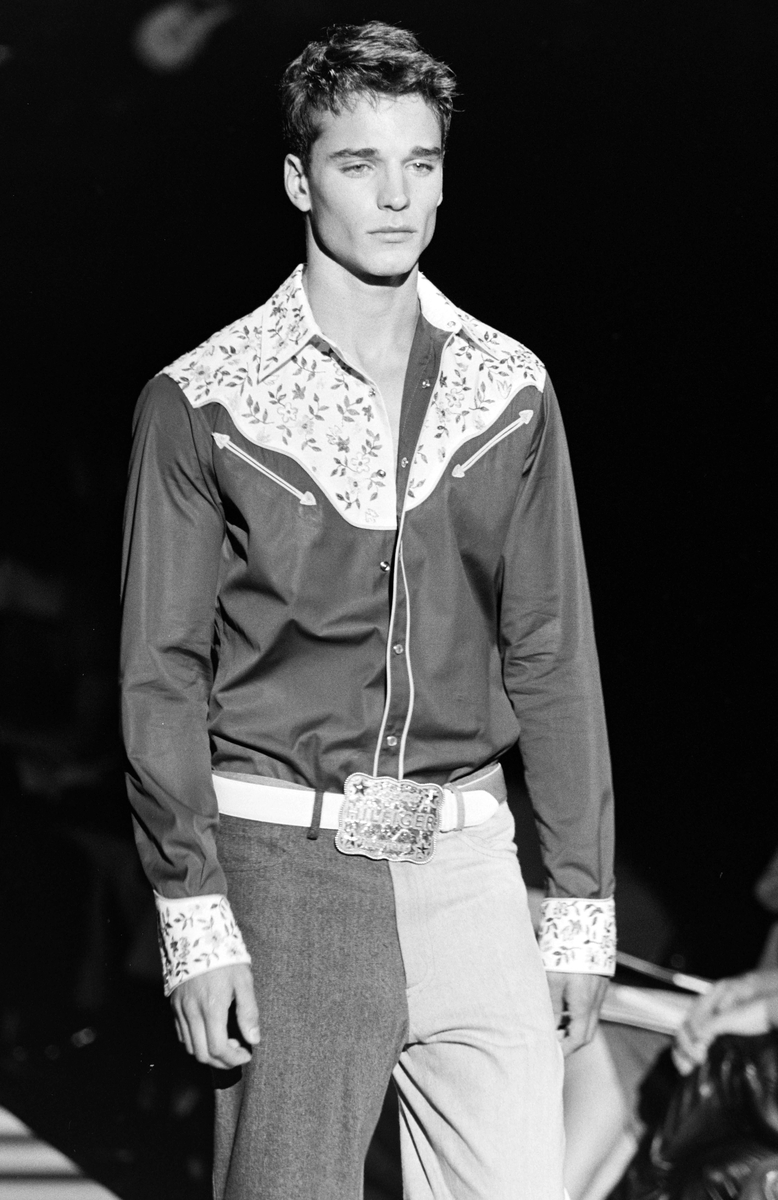
The Cinematic & Material Avant-Garde
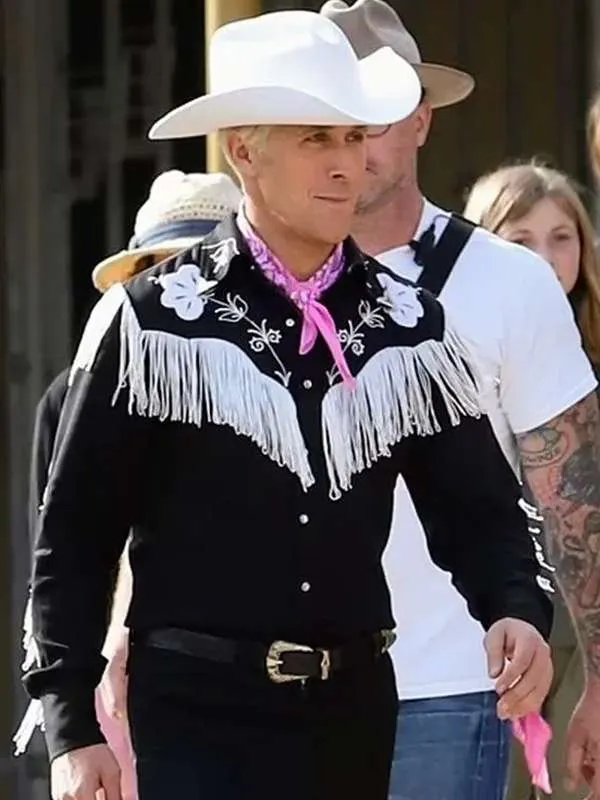
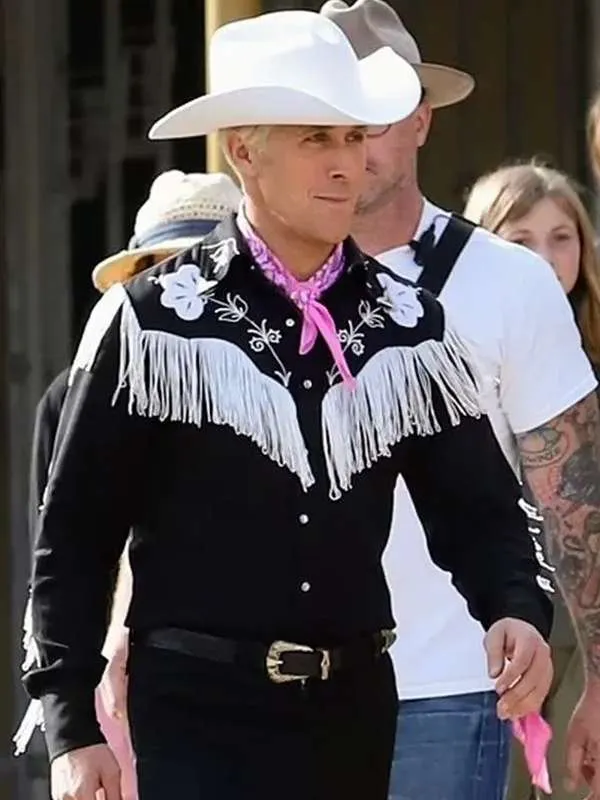
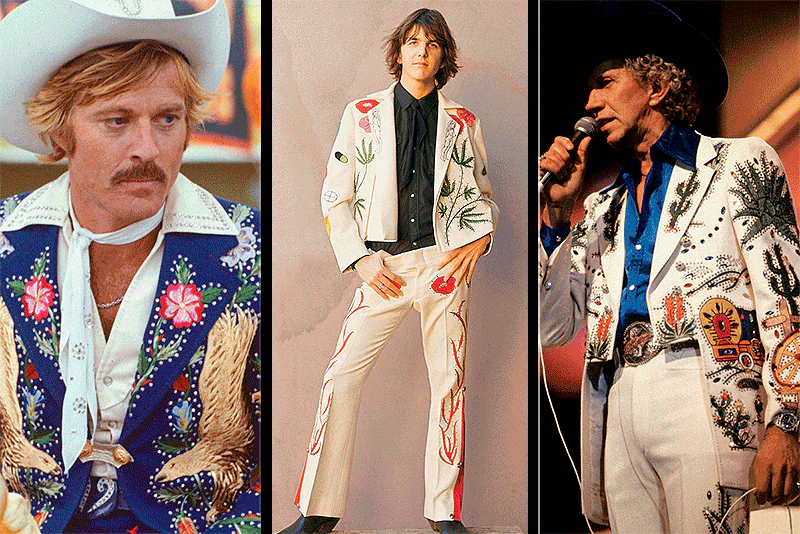
The avant-garde evolution of the Western shirt is less about deconstructing the shape and more about material obsession and theatrical scale. Taking cues from "Nudie Suits" and the high-gloss, fringed energy of modern pop-culture icons like Ken, the shirt has become a canvas for "more is more" luxury.
- Material Subversion: The “avant-garde” element is the fabric itself—fluid silks and plush velvets turn a rugged staple into a liquid-like evening masterpiece.
- The Fringe Spectacle: Taking the “Ken-core” aesthetic to the extreme, floor-sweeping fringe is added to yokes and sleeves to create motion and “performance” whenever the wearer moves.
- Hollywood Embroidery: Referencing the hand-stitched details of 1950s films, designers use maximalist metallic thread-work to add three-dimensional depth and weight to the garment.
- Hyper-Saturated Color & Glow: Moving away from dusty desert tones, the new avant-garde uses electric pastels and metallic finishes designed to pop under studio lights or on a red carpet.
Brand Comparison: High-End vs. Mass-Market
| Feature | Runway / Luxe (Tom Ford) | Heritage / Mass-Market (Levi’s) |
|---|---|---|
| Identity | Hyper-masculine glamour & “power” luxury | Authentic heritage & durable utility |
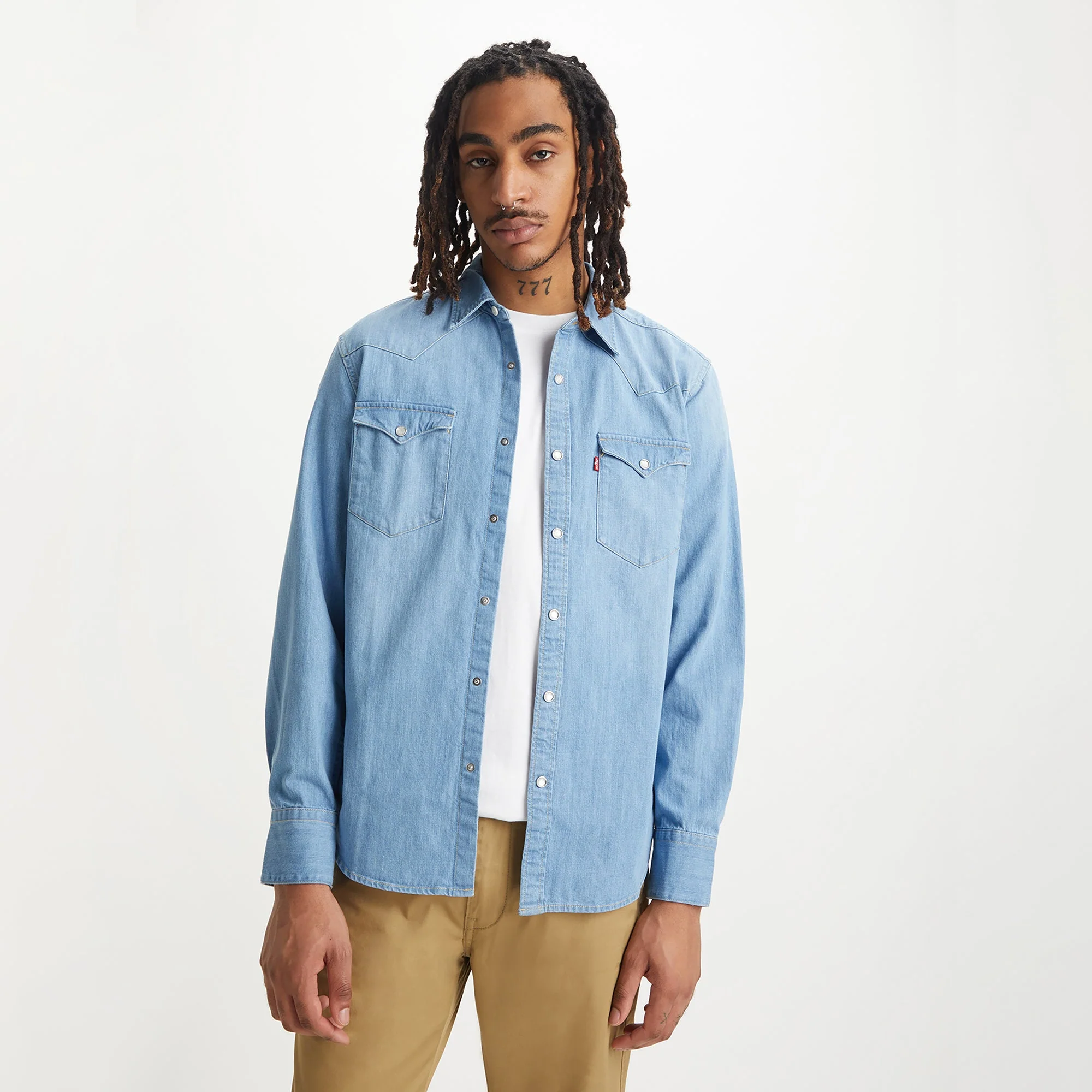
| Silhouette | Tailored “V-taper” (broad shoulders, slim waist) | Regular “Barstow” fit; boxier for movement |
| Materials | Silk-blends, velvet, or fine suede | Heavyweight cotton denim or twill |
| Design Detail | Mother-of-pearl snaps; “S-curve” yokes | Plastic snaps; functional rectangular yokes |
Case Study: The “Power” Western (Tom Ford)
Focuses on “sex appeal” and construction, featuring a structured collar and darted waist. It utilizes premium washed silks or suedes that offer an expensive, subtle sheen. Targeted at the ultra-luxury consumer, it serves as a sophisticated blazer alternative for high-end nightlife or red carpets.
Case Study: The “Essential” Western (Levi’s)
Proportions are generous to allow for physical labor and layering. It features double-needle stitching for maximum durability and longevity. Designed for mass accessibility, it appeals to those looking for a timeless, rugged American look that prioritizes function over fashion.